
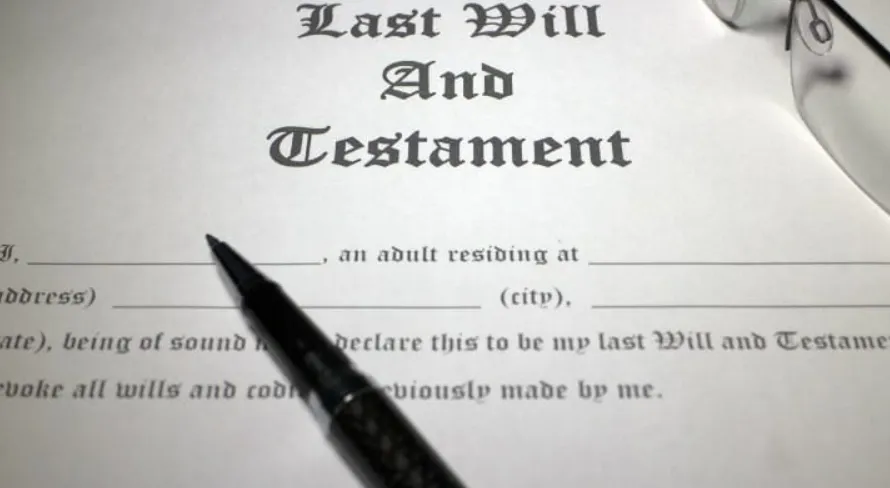
Creating a will is one of the most important steps in protecting your family and property. If you’ve been wondering about looking for a lawyer for wills near me, it helps to understand the legal rules and whether hiring an attorney is necessary.
Alabama law sets clear standards that must be met for a will to be valid and legally enforceable. The smallest mistake, like missing a witness signature or misunderstanding state requirements, can cause big problems later.
Knowing when to seek guidance can make the difference between a clear estate plan and one that fails to carry out your wishes.
What a Will Means Under Alabama Law
A will is a written declaration that specifies who should receive your property when you pass away. What it can do is to:
- Name guardians for minor children
- Select an executor to manage the estate
- Outline how debts and personal items should be handled
The document only takes effect at death and must comply with Alabama law to be considered valid.
About Handwritten Wills in the State
Alabama law does not recognize unwitnessed handwritten (holographic) wills. Even handwritten wills must be signed by the testator and attested by at least two competent witnesses under Ala. Code § 43-8-131.
When these requirements are not followed, the will may be rejected by the probate court.
Legal Requirements for a Valid Will in Alabama
The following requirements must be met to create a valid will in Alabama:
- The person making the will must be at least 18 years old and of sound mind.
- The will must be in writing.
- The testator must sign the document, or someone else may sign at their direction.
- Two competent witnesses must sign the will in the testator’s presence and in each other’s presence.
- A notarized self-proving affidavit can make probate faster by eliminating the need for witnesses to appear in court.
A will that meets these standards is presumed valid in Alabama. To add, a later will can revoke a prior one, and a person can also revoke a will by physically destroying it with the intent to do so.
A properly written and executed document gives clarity and reduces disputes among heirs.
When You Can Write a Will Without a Lawyer
Alabama allows residents to draft their own wills without an attorney. This is often called a “do-it-yourself” will. For very simple estates, such as leaving everything to one person, this may be enough.
But even then, the requirements listed above must be followed exactly. A probate judge cannot advise on the contents or wording of a will.
While it’s Acceptable to Write it Without Legal Guidance…
There is no legal requirement that a person consult a lawyer before writing a will. That said, the law is detailed, and mistakes are easy to make. A will that appears valid on paper may not meet all technical standards once reviewed by the court.
Common Problems With Self-Written Wills
Wills prepared without legal review often contain errors that cause them to fail in probate. The most common are:
- Missing or improper witness signatures
- Ambiguous language or unclear instructions
- Failure to revoke prior wills correctly
- Unintentional disinheritance or conflict among beneficiaries
- Incorrect storage or loss of the original document
If these problems occur, the will may be declared invalid in Alabama. The estate would then be treated as an intestate estate, meaning the property would be distributed according to state law rather than your wishes.
What Happens Without a Will
When someone dies without a valid will, Alabama’s intestacy rules determine who receives the estate. Property will be distributed to relatives based on a set order:
- Spouse
- Children
- Parents
- Siblings, and so on
These laws are designed to ensure fair distribution, but they may not reflect what the person wanted.
Dying intestate can also make the administration of an estate longer and more expensive. Family members may disagree over who should serve as executor or how property should be divided.
Preparing a valid will helps avoid placing those burdens on loved ones.
The Probate Process in Alabama
After a person dies, the probate process takes place as follows:
- The will must be filed for probate in the proper county’s probate court.
- The executor named in the will submits it for approval and receives legal authority to manage the estate.
- The executor must inventory assets, pay debts, and distribute remaining property to the named beneficiaries
- If the will is self-proving, the witnesses will not need to testify in court.
- A will must be offered for probate within five years of the testator’s death for it to remain effective under Ala. Code § 43-8-161.
The probate judge cannot advise anyone on the process.
Reasons to Use an Attorney
Hiring an attorney is not mandatory, but it is often the safest option. You may need an attorney when:
- The estate includes real property, investments, or a business
- There are multiple beneficiaries or potential disputes
- You want to include trusts or specific conditions
- You wish to coordinate your will with other estate planning documents:
- Powers of attorney
- Advance directives
- You need guidance on how to make a new will or revoke an old one
An estate planning attorney can help ensure your will complies with all limitations set by law to avoid future challenges. A lawyer can also help construct a full estate plan that addresses property, debts, and personal wishes.
Changing or Revoking a Will in Alabama
Alabama law allows a person to change or revoke a will at any time while they are of sound mind. You can:
- Write a new will that expressly revokes all prior wills.
- Execute a codicil (a short amendment that modifies specific provisions)
- Physically destroy the document with the intent to revoke it.
Writing a new will usually revokes the first. Each new version must meet the same requirements as the original to be valid in Alabama.
Storing Your Will Safely
Keeping the original will safe is critical. Many people store it in a safety deposit box or a secure home location. It can also be placed in a deposit box at a bank, as long as someone you trust can access it.
The executor or a family member should know exactly where the original is kept.
Take note that a missing original can complicate or delay the probate process.
Do All Wills Go Through Probate?
In most cases, yes.
A will must be filed for probate so the court can confirm its validity and authorize the executor to act. Even a small estate and a simple plan must be reviewed through the probate process before property can be distributed.
Deciding not to probate a will may lead to delays and confusion over ownership rights.
When an Estate Cannot Be Divided Evenly
Sometimes, the estate cannot be divided exactly as the will describes. This can happen when:
- Assets are not liquid
- Assets are jointly owned
In such cases, the probate court and probate judge apply Alabama’s laws governing the distribution of estates to ensure fairness.
Said rules are in place to make sure the legal distribution of estates is followed correctly, and that property will be distributed to the intended beneficiaries whenever possible.
Why Legal Advice Matters for Alabama Wills
Even a well-drafted will must go through probate and satisfy Alabama’s procedural rules. An experienced Alabama lawyer can:
- Best explain those procedures
- Advise you of the law
- Make sure your wishes are honored
Good legal advice helps reduce costs and save money in administering the estate. It also ascertains that any change in your estate, no matter how small, can be addressed properly.
Planning Ahead for Your Alabama Estate
Making a will is one of the most meaningful ways to protect your family and preserve your assets. While Alabama law allows individuals to prepare wills without a lawyer, the legal and financial risks of error are significant.
A properly written and executed will provides peace of mind and sees to it that your estate plan truly reflects your intent.
For thoughtful estate planning guidance in Alabama, contact The Law Offices of Brenton C. McWilliams. With their help, you’ll be able to know about how a carefully prepared will can secure your family’s future.