
Criminal Domestic Violence (CDV) charges in South Carolina carry serious consequences that many people don’t fully understand until they’re facing them.
For those dealing with these charges in areas like Rock Hill, Fort Mill, or York County, understanding criminal domestic violence laws and potential defenses becomes critical to protecting their future.
What Exactly Is Criminal Domestic Violence in South Carolina?
South Carolina law defines CDV as causing physical harm or injury to a household member, or offering or attempting to cause physical harm that creates reasonable fear of imminent danger.
The keyword here is “household member.”
Under South Carolina law, household members include:
- Current or former spouses
- People who have a child together (even if they never married)
- People currently or formerly living together
- Dating partners or former dating partners
The law doesn’t require severe injuries for CDV charges. A push, a slap, or even aggressive physical contact that doesn’t leave marks can still result in an arrest.
Sometimes, just the threat of violence is enough if it makes someone genuinely fear for their safety.
The Three Degrees of CDV Charges
South Carolina breaks CDV charges into different degrees based on the circumstances and your criminal history:
CDV Third Degree
This is the most common charge and applies to first-time offenders with no prior CDV convictions. It’s a misdemeanor that carries:
- Up to 30 days in jail
- Fines ranging from $1,000 to $2,500
- Mandatory completion of a domestic violence intervention program
CDV Second Degree
If you have one prior CDV conviction within the past 10 years, you face second-degree charges. The penalties jump significantly:
- 30 days to one year in jail
- Fines between $2,500 and $5,000
- Mandatory domestic violence counseling
CDV First Degree
This applies when you have two or more prior CDV convictions within 10 years. First-degree CDV is a felony with severe consequences:
- Up to 10 years in prison
- No option for the charge to be expunged
- Permanent felony record affecting gun rights and employment
CDV of a High and Aggravated Nature (CDVHAN)
The most serious CDV charge is Criminal Domestic Violence of a High and Aggravated Nature. This felony charge applies when the alleged violence involves:
- Great bodily injury or the likelihood of death
- Violation of a protection order with physical harm
- Use of a firearm
- Strangling or suffocation
- Committing CDV in front of a minor
CDVHAN carries up to 20 years in prison. There’s no pretrial intervention program available, and conviction means a permanent criminal record with no possibility of expungement.
The Arrest Process and What Happens Next
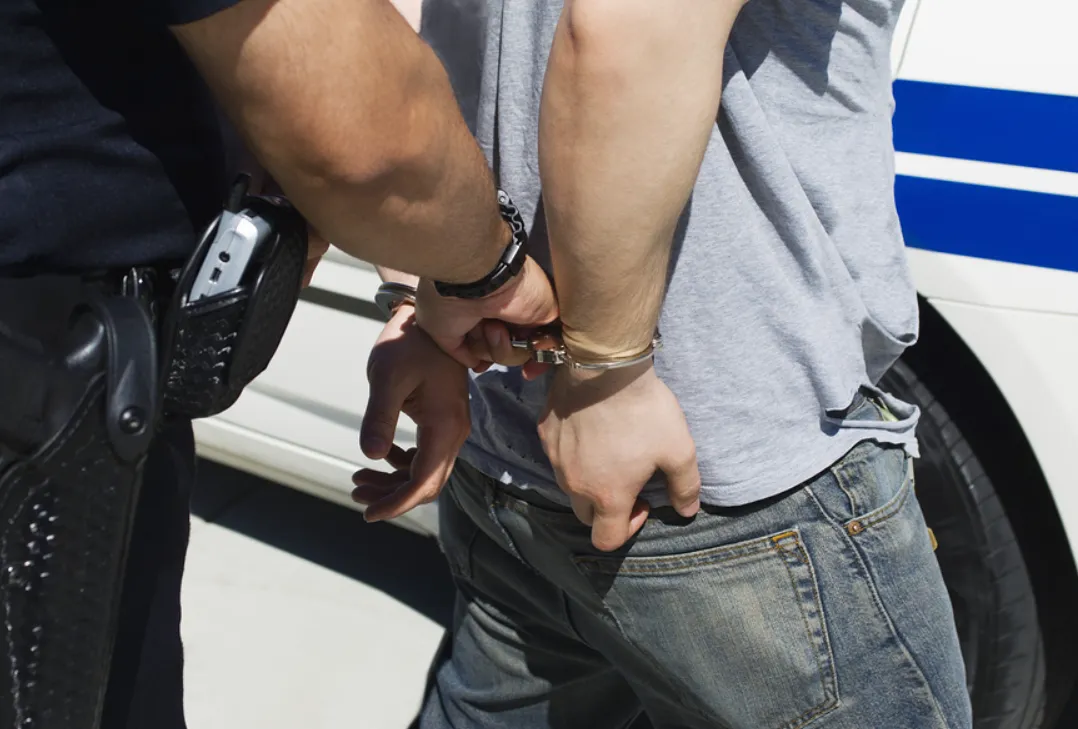
South Carolina has a mandatory arrest policy for CDV cases. If police respond to a domestic violence call and find probable cause that CDV occurred, they must make an arrest. They can’t just tell everyone to cool off and leave.
Once arrested, you’ll typically be held without bond for at least 24 hours. This cooling-off period is required by law, even for first-time offenders. After that, you’ll appear before a judge for a bond hearing.
After release, you’ll likely face:
- A no-contact order preventing communication with the alleged victim
- Restrictions on returning to your home (even if you own it)
- Potential loss of custody or visitation rights with your children
- Immediate suspension from certain jobs, especially those requiring security clearances
Common Defenses Against CDV Charges
Not every CDV charge leads to conviction. Several defenses may apply to your case:
Self-Defense
If you were protecting yourself from physical harm, you have the right to use reasonable force. The key is proving that you genuinely feared for your safety and used only the force necessary to protect yourself.
Defense of Others
Similar to self-defense, you can legally protect others (especially children) from harm. If you intervened to protect someone from violence, this could be a valid defense.
Lack of Evidence
The prosecution must prove their case beyond a reasonable doubt. If there’s no physical evidence, conflicting witness statements, or credibility issues with the accuser, the charges might not stick.
False Accusations
Unfortunately, false CDV accusations happen, especially during bitter divorces or custody battles. Proving false accusations requires careful investigation and often uncovering motives for lying.
The Hidden Consequences of a CDV Conviction
Beyond jail time and fines, a CDV conviction creates problems that last for years:
Employment Issues: Many employers won’t hire someone with a CDV conviction. Professional licenses for nurses, teachers, and other careers can be suspended or revoked.
Housing Problems: Landlords often reject rental applications from people with CDV convictions. Public housing assistance may become unavailable.
Immigration Consequences: Non-citizens face potential deportation after a CDV conviction, even legal permanent residents.
Gun Rights: Federal law prohibits anyone convicted of domestic violence from owning firearms. This is permanent and affects hunting licenses and certain job opportunities.
Family Court Impact: CDV convictions heavily influence divorce proceedings, child custody decisions, and visitation rights.
What to Do If You’re Charged with CDV
The decisions you make immediately after a CDV arrest can impact your case significantly. Here’s what you should and shouldn’t do:
Do:
- Remain silent except to request an attorney
- Document any injuries you sustained
- Gather contact information for witnesses
- Follow all court orders and bond conditions exactly
- Attend all required court appearances
Don’t:
- Contact the alleged victim, even if they reach out first
- Post about the situation on social media
- Discuss the case with anyone except your attorney
- Violate the no-contact order, even to get personal belongings
- Try to handle the case without legal representation
The Prosecution’s Burden and Your Rights
Remember that being charged doesn’t mean you’re guilty. The prosecution must prove every element of the crime beyond a reasonable doubt. You have constitutional rights throughout the process:
- The right to remain silent
- The right to an attorney
- The right to confront witnesses against you
- The right to a jury trial
- The presumption of innocence until proven guilty
CDV charges require immediate attention from someone who knows South Carolina domestic violence laws.
Many law firms throughout the state handle these cases, including firms like Okoye Law in Rock Hill that serve the York County area.
Why CDV Cases Are Different from Other Criminal Charges
CDV cases move through a special domestic violence court in many South Carolina counties. These courts handle cases differently from regular criminal courts. Prosecutors often refuse to drop charges even when the alleged victim wants to reconcile.
The “no-drop” policy means that once charges are filed, the case proceeds regardless of the victim’s wishes. The state becomes the plaintiff, not the alleged victim. This makes CDV cases particularly challenging to resolve.
Additionally, CDV cases often involve people who share children, property, and financial obligations. The criminal case proceeds alongside family court matters, creating additional complexity.
Moving Forward After CDV Charges
Facing CDV charges doesn’t mean your life is over. With the right approach and legal representation, many people successfully resolve their cases and move forward.
Some cases get dismissed. Others result in reduced charges or alternative sentencing that avoids jail time.
South Carolina takes domestic violence seriously, as it should. But the system isn’t perfect, and innocent people do get caught up in it. If you’re facing CDV charges, protect yourself by understanding the law, knowing your rights, and getting experienced legal help immediately.