
Hidden leaks in plumbing can cause damage long before they’re discovered. Need pipe leak repair Woodland CA? Then you might already know that even a small drip can waste gallons of water and lead to expensive repairs.
In homes across Yolo County, these leaks often start quietly, tucked behind walls, under slabs, or within ceilings.
The fix?
Early detection and knowing when to bring in a professional to preserve both your plumbing system and your home’s value.
Why Hidden Leaks Are a Serious Problem
Small leaks don’t stay small for long. As water seeps into drywall or flooring, it weakens structures, fosters mold growth, and inflates utility bills.
Did you know?
A single drip every second can waste more than 3,000 gallons per year.
When left unchecked, hidden pipe leaks can cause major repairs that affect not only the plumbing but also electrical systems and indoor air quality.
Because most plumbing runs inside walls or under foundations, leaks can go unnoticed until visible stains or odors appear. Detecting them early prevents more serious water damage that can impact a home’s stability.
Common Signs of a Hidden Pipe Leak
Most homeowners notice symptoms before they locate the source. Typical warning signs include:
- A sudden increase in your water bill without explanation
- Damp or discolored spots on walls or ceilings
- Musty odors or mold in unexpected places
- Peeling paint or warped flooring
- The sound of running water when all faucets are off
- Warm or wet patches on floors
Any of these may indicate that water is escaping somewhere in your plumbing system. Paying attention to these changes helps you act before a small issue grows.
Where Hidden Leaks Usually Form
Certain parts of the home are more prone to concealed leaks due to constant pressure, wear, or environmental exposure.
- Walls and ceilings: Pinhole leaks in copper or galvanized pipes often appear here
- Slab foundations: A slab leak can develop in pipes running beneath concrete floors, leading to cracks or warm spots
- Bathrooms and kitchens: Loose connections behind sinks, tubs, and dishwashers are frequent culprits
- Outdoor lines: Irrigation systems or buried pipes can leak silently, especially during hot, dry California summers
Knowing these common areas narrows your search and can guide where to look first.
Simple Ways to Detect a Leak at Home
Homeowners can perform basic checks before calling a plumber. These methods don’t require special tools but can reveal whether a leak exists.
- Check the water meter
- Turn off all water in the house
- Observe the meter
- If it moves, water is escaping somewhere
- Inspect exposed pipes
- Look for:
- Corrosion
- Rust
- Condensation
- Look for:
- Use the food coloring test
- Add a few drops of coloring to your toilet tank
- If color appears in the bowl after ten minutes, water is leaking through the flapper valve
- Add a few drops of coloring to your toilet tank
- Listen carefully
- In quiet conditions, dripping or hissing sounds can lead you to the problem area
- Monitor humidity
- A dehumidifier or hygrometer can show moisture spikes that point to leaks behind walls
If any of these checks suggest a problem, turn off your main valve and plan for a professional inspection.
Tools and Technology Plumbers Use
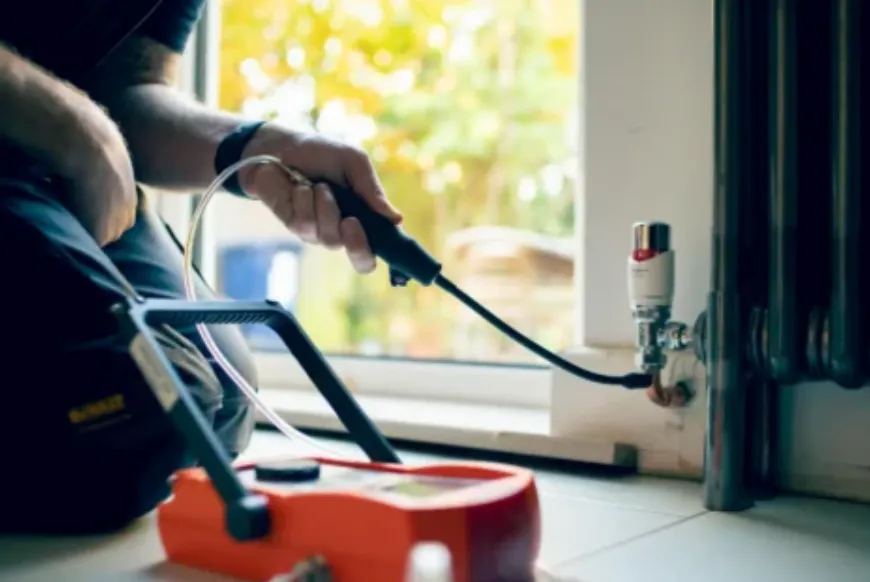
Licensed plumbers have access to advanced detection tools that locate leaks without tearing into walls. These include:
- Acoustic leak detectors that pick up the sound of escaping water through solid surfaces
- Infrared cameras to spot temperature differences caused by moisture
- Pressure testing equipment to measure pressure drops in closed systems
- Moisture meters to identify dampness in drywall or flooring
- Electronic sensors for underground and slab leaks
These methods are noninvasive and accurate, saving homeowners from unnecessary demolition. Professionals also interpret results correctly to distinguish between plumbing leaks and other moisture issues like condensation.
Why Early Detection Saves Money
Ignoring a hidden leak can double or triple repair costs over time. Besides water damage, stagnant moisture can lead to mold remediation, foundation repairs, and electrical hazards.
The earlier a leak is found, the less extensive the restoration process will be.
In California, where water conservation is a priority, even minor leaks contribute to waste that strains public water systems. Fixing leaks promptly supports sustainability and helps avoid violations of local water efficiency standards.
Temporary Fixes You Can Try
Some leaks are visible once you identify the source. If water is dripping from a pipe joint or small crack, temporary repairs can limit damage until professional help arrives:
- Shut off the main water valve to stop the flow
- Dry the affected area completely
- Apply plumber’s tape, rubber patching, or epoxy putty to the leak
- Use a pipe clamp for a short-term seal on small holes
These measures are not permanent, but can control leaks long enough to schedule proper service. Always monitor patched areas closely for renewed moisture.
How Professionals Repair Hidden Leaks
Once located, a plumber determines whether the pipe should be repaired or replaced. The process depends on location, severity, and pipe material.
- Small leaks may be fixed by removing the damaged section and installing a coupling or patch
- Corroded pipes often require replacement with modern materials like PEX or copper
- Slab leaks might be rerouted around the foundation instead of cutting through concrete
- Extensive damage can lead to re-piping sections of the home
After repairs, plumbers test the system’s pressure and verify that no other leaks exist before closing walls or flooring.
Preventing Future Leaks
Most plumbing leaks are preventable with regular maintenance and mindful usage. Simple habits make a big difference:
- Schedule an annual plumbing inspection to catch wear early
- Monitor your water pressure; excessive pressure stresses joints and seals
- Insulate exposed pipes during the winter months
- Avoid harsh drain cleaners that can corrode metal pipes
- Replace aging pipes before they deteriorate
Preventive maintenance costs far less than emergency repairs and extends the lifespan of your entire system.
How Water Quality Affects Your Pipes
California’s hard water contains minerals that build up inside plumbing over time. This scale can corrode pipes and accelerate leaks. Installing a water softener or filtration system reduces mineral deposits and keeps water flowing smoothly.
On top of that, poor water quality also affects appliances like water heaters and dishwashers. Regular flushing and maintenance prevent residue buildup that could lead to leaks and inefficiency.
When Hidden Leaks Are Covered by Insurance
Homeowners often wonder if insurance pays for leak damage. Most policies cover sudden, accidental leaks but exclude long-term seepage or negligence.
If you discover a leak, act quickly by:
- Documenting the area
- Stopping the flow
- Contact your insurer before making permanent repairs
Keeping detailed maintenance records and scheduling inspections strengthens a claim if water damage occurs.
Why Professional Help Matters
Finding and repairing a leak may seem manageable, but hidden leaks require skill and equipment that go beyond DIY methods.
Licensed plumbers in California follow building codes that ensure safety, efficiency, and lasting repairs. They can also recognize problems like corrosion or outdated materials that could cause future leaks.
In other words, professional leak detection minimizes disruption and ensures accurate, code-compliant fixes.
Steps to Keep Plumbing Leak-Free Year-Round
A few proactive habits can prevent most plumbing issues from escalating:
- Check meter readings monthly to spot irregular water use.
- Inspect under sinks and behind appliances for moisture.
- Flush your water heater annually to prevent sediment buildup.
- Replace old washers and supply lines every few years.
- Have a plumber inspect your home after any major earthquake or flood, since shifting ground can damage underground pipes.
Consistent attention to small details helps maintain a healthy, efficient plumbing system and reduces unexpected costs.
The Bigger Picture: Protecting Your Home and Water Supply
Every hidden leak wastes resources and weakens your property’s structure. By detecting and addressing leaks early, homeowners in Yolo County help conserve water and protect their investment.
In a region where both drought and aging infrastructure pose challenges, prevention and maintenance are key.
When to Call for Help
Some leaks can wait a few hours; others can’t. Call a professional immediately if you experience:
- Constant sound of running water when taps are closed
- Unexplained pooling on floors or around foundations
- Rapid drop in water pressure across multiple fixtures
- Damp drywall or mold spreading behind walls
Prompt response limits damage and can prevent more expensive restoration later.
Final Thoughts
Hidden leaks damage property and increase costs. Learning to find a leak in plumbing early, knowing basic detection techniques, and scheduling routine inspections keep your home safe and efficient. Modern leak detection methods make it possible to locate and repair leaks without unnecessary disruption.
For homeowners in Yolo County and throughout California, Yolo Plumbing provides professional leak detection and repair services backed by experience and local expertise.
Licensed plumbers use advanced technology to identify and fix hidden leaks efficiently, helping you preserve both your home and your peace of mind.