
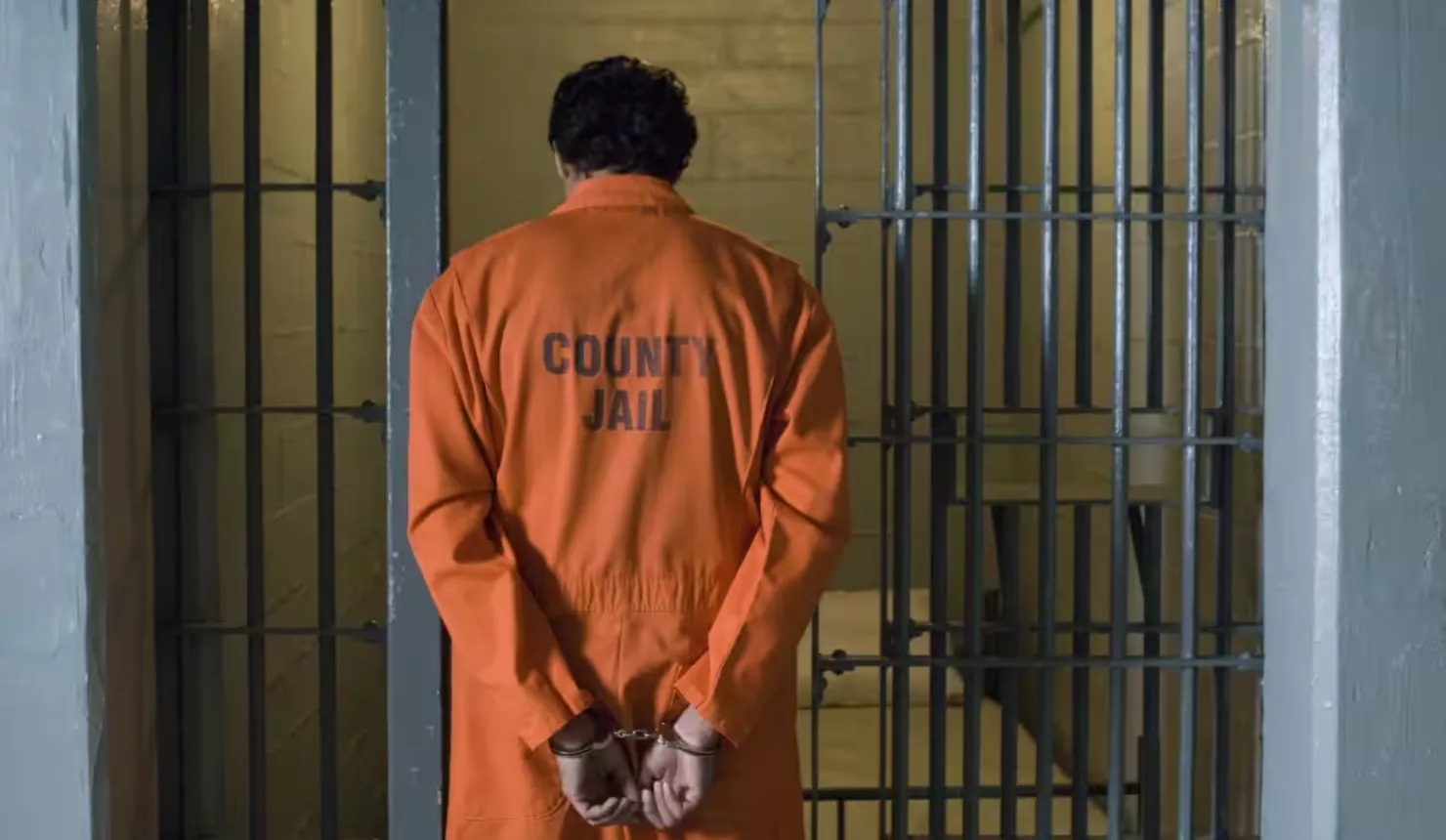
A judge sentences someone to “life in prison.” That phrase sounds absolute. Final.
But what is life in prison under California law? The answer isn’t as simple as it seems. Some life sentences allow for eventual release through parole. Others mean permanent imprisonment.
The difference between these sentences can determine whether someone spends 15 years or dies behind bars.
Types of Life Sentences in California
California law recognizes three main categories of life sentences, each with different implications for release.
- Life With the Possibility of Parole
This sentence means the convicted person may become eligible for parole hearings after serving a minimum number of years. The minimum period varies depending on the crime:
- Standard life sentence: Eligibility typically begins after seven years
- First-degree murder: Minimum of 25 years before parole eligibility
- Certain violent felonies: May require 15 to 25 years before first hearing
- Life Without the Possibility of Parole (LWOP)
Also called “life without parole,” this sentence means exactly what it states. The convicted person will remain incarcerated for life with no opportunity for parole consideration.
California law mandates LWOP for:
- First-degree murder with special circumstances
- Certain murders committed by individuals with prior serious or violent felony convictions
- Specific aggravated sexual assault cases
- Indeterminate Life Sentences (25 Years to Life, 15 Years to Life)
California’s indeterminate sentencing structure means the person receives a range rather than a fixed term. Common indeterminate sentences include:
- 25 years to life: Often imposed for second-degree murder or under Three Strikes law
- 15 years to life: May apply to certain violent felonies or aggravated offenses
Inmates serving indeterminate sentences become eligible for parole hearings after completing the minimum term. However, the parole board may deny release and require additional years before the next hearing.
Crimes That Can Result in Life Sentences
California law reserves life imprisonment for the most serious offenses.
- Murder: First-degree murder carries 25 years to life. Murder with special circumstances (such as multiple victims, killing during another felony, or killing a peace officer) results in either LWOP or death penalty consideration.
- Aggravated sexual assault of a child: Violations under California Penal Code Section 269 carry 15 years to life.
- Three Strikes cases: Individuals with two prior serious or violent felony convictions face 25 years to life upon a third felony conviction, even if the third offense is not violent.
- Assault with intent to commit certain sex offenses during burglary: Under California Penal Code Section 220, specific circumstances can result in life with the possibility of parole.
- Habitual offenders: Certain repeat offenders may receive life sentences under various enhancement provisions.
Attorneys like those at David P. Shapiro Criminal Defense Attorneys examine how different sentence types affect long-term outcomes and what legal options exist at each stage.
How Parole Eligibility Works
For life sentences that include parole possibility, eligibility follows specific timelines and procedures.
- Minimum Time Served
The court determines the minimum period before parole consideration based on the offense and any enhancements. This minimum represents the earliest point at which a hearing may occur, not a guaranteed release date.
- Parole Hearings
Once eligible, the person receives a hearing before California’s Board of Parole Hearings. The board evaluates:
- Nature and circumstances of the commitment offense
- Prior criminal history
- Institutional behavior and disciplinary record
- Participation in rehabilitation programs
- Risk assessment results
- Statements from victims or victims’ families
- Release plans and community support
- Denial and Subsequent Hearings
If parole is denied, the board sets the length of time before the next hearing—typically one, three, five, seven, ten, or fifteen years, depending on the circumstances.
Enhancements That Affect Life Sentences
California’s enhancement laws can extend life sentences significantly or eliminate parole eligibility altogether.
- Gang enhancements: Under California Penal Code Section 186.22, committing felonies for gang benefit can add years or convert sentences to life terms.
- Use of firearms: Discharging a firearm causing great bodily injury or death adds 25 years to life under California Penal Code Section 12022.53.
- Prior strikes: Previous serious or violent felony convictions under the Three Strikes law can double sentences or result in 25 years to life.
- Multiple victim circumstances: Crimes involving multiple victims may result in consecutive life sentences.
These enhancements determine both the length of imprisonment and whether parole becomes possible.
Three Strikes Law and Life Sentences
Under California’s Three Strikes law, a person with two or more prior serious or violent felony convictions receives 25 years to life upon conviction of any new felony. The third strike must be serious or violent to mandate 25 years to life, unless exceptions apply.
However, those sentenced before Proposition 36 may petition for resentencing under certain conditions.
Differences Between LWOP and Death Penalty
Both LWOP and death sentences apply to first-degree murder with special circumstances. The jury or judge determines which penalty to impose after considering aggravating and mitigating factors.
LWOP means permanent imprisonment with no execution. The death penalty, while rarely carried out in California, theoretically results in execution. Due to lengthy appeals and legal challenges, individuals on death row often spend decades in prison.
Legal Challenges and Sentence Modifications
Life sentences may be challenged or modified through several mechanisms.
- Appeals: Convicted individuals can appeal based on legal errors during trial, insufficient evidence, or constitutional violations.
- Habeas corpus petitions: These challenge the legality of imprisonment based on new evidence, ineffective assistance of counsel, or other grounds.
- Resentencing petitions: Changes in law, such as Proposition 36 or other reforms, may allow eligible individuals to petition for reduced sentences.
- Commutation: The Governor of California has authority to commute sentences, potentially making LWOP sentences eligible for parole consideration.
Successful challenges are rare but possible when significant legal issues exist.
What Life Sentences Mean in California
Not all life sentences in California are equal. The category imposed affects everything: parole hearings, release timelines, and whether freedom ever becomes possible.
For anyone facing potential life sentences, the charges filed, enhancements alleged, and prior criminal history all combine to determine the sentencing range.
Legal representation becomes critical not just at trial but throughout the sentencing process, where arguments about mitigating factors can influence outcomes.
This article is provided for general informational purposes only and does not constitute legal advice. Laws and legal procedures can change, and the application of law depends on the specific facts of each case. For guidance regarding a particular situation, consult a qualified criminal defense attorney licensed to practice in California.