
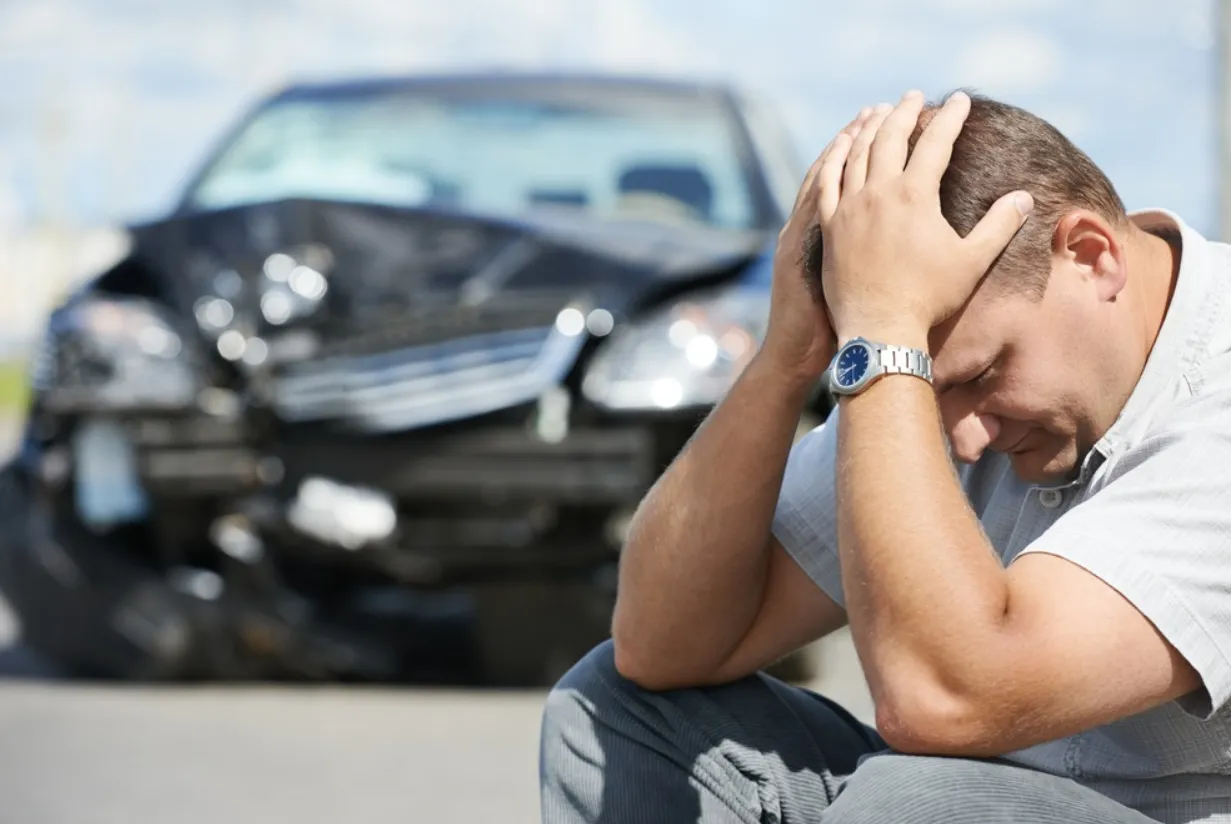
The collision happens in seconds. Glass shatters. Metal crumples. Your body jolts against the seatbelt. If you’ve been injured in a car accident in Shreveport, working with a Shreveport auto accident lawyer early can prevent mistakes that damage your claim.
Who pays for this? What happens if I can’t work? Did I do something wrong?
Here are practical steps to protect yourself after a car accident in Shreveport, including how Louisiana car accident laws determine who pays and how much.
Step 1: Get to Safety and Assess Injuries
Safety comes first, always. Here’s what you should do immediately:
- Check yourself for pain, bleeding, or difficulty moving
- Check on passengers and people in other vehicles
Also, be sure to look for visible injuries, confusion, or signs of shock in passengers.
When to Call 911
Call emergency services immediately if anyone is hurt or if vehicles are too damaged to drive. Emergency responders document the scene and create official records that become evidence later.
Move to a Safe Location
If the vehicles are drivable and blocking traffic:
- Move them to the shoulder or a parking lot
- Turn on hazard lights
- Set up warning triangles if available
Louisiana law prohibits leaving the scene of any crash. Leaving can result in criminal charges even when the other driver caused the collision.
Step 2: Get a Police Report
Call the Shreveport Police Department or the Louisiana State Police, depending on where the crash occurred.
What Louisiana Law Requires
Louisiana requires reporting crashes that involve:
- Injuries to any person
- Deaths
- Vehicle damage that prevents safe operation
A police report documents the date, time, location, parties involved, witness statements, and the officer’s observations. This official record carries weight with insurance companies and courts.
What to Tell Officers
Officers will interview everyone, examine the scene, and determine if any traffic violations occurred. Answer their questions honestly but stick to facts. Don’t speculate about what happened or admit fault.
Request the report number before officers leave. This number allows you to obtain copies of the full report later for your claim.
Step 3: Document the Scene Thoroughly
Gather evidence while still at the accident scene.
Take Comprehensive Photos
Photograph everything:
- All vehicle damage from multiple angles
- Debris and skid marks
- Traffic signals and street signs
- Road conditions and weather
- The full intersection or crash location
Capture context that shows visibility, traffic control devices, and environmental factors.
Exchange Information With Other Drivers
Get contact and insurance details from everyone involved:
- Full names and phone numbers
- Insurance company names and policy numbers
- Driver’s license numbers
- Vehicle makes, models, and license plates
Avoid discussing fault or making statements about injuries. Simple facts only.
Find Witnesses
People who saw the crash provide independent accounts that support your version of events. Get their names and phone numbers.
FWitnesses often disappear once traffic clears, so act quickly.
Step 4: See a Doctor Immediately
Go to an emergency room or urgent care clinic the same day as the crash.
Why Delayed Symptoms Are Dangerous
Injuries sustained in a car accident don’t always show symptoms right away. For instance:
- Whiplash develops over hours
- Concussions mask themselves
- Internal bleeding hides until it becomes critical
In fact, adrenaline blocks pain temporarily, creating a false sense of being uninjured.
How Medical Records Protect Your Claim
Medical treatment creates documentation linking injuries to the crash. Insurance companies claim that delayed treatment proves injuries came from something else or weren’t serious.
Don’t give them that argument.
Document Every Symptom
Tell the doctor about everything you’re experiencing:
- Headaches or dizziness
- Neck stiffness or back pain
- Numbness or tingling
- Nausea or confusion
Minor symptoms today can indicate serious problems tomorrow. Incomplete medical records lead to reduced compensation later.
Follow all treatment recommendations. Attend every appointment. Complete prescribed physical therapy.
Step 5: Report to Your Insurer (With Caution)
Notify your insurance company about the crash soon after it happens.
Louisiana requires policyholders to report accidents promptly. Most policies set specific deadlines for reporting. Missing those deadlines can void coverage.
What to Tell Your Insurance Company
When calling your insurer, provide basic information only:
- Date, time, and location of the crash
- Names of other drivers and their insurance companies
- The police report number
- General description of damage
Stop there. Don’t give detailed statements. Don’t describe your injuries. Don’t say how the crash happened.
Dealing With the Other Driver’s Insurer
The other driver’s insurance company will contact you, too. You have zero obligation to speak with them. Speaking with the opposing insurer before consulting a car accident attorney often damages claims.
What you should do instead:
- Politely decline
- Say you’ll discuss the claim through your lawyer
- Then, actually hire one
Remember, adjusters ask leading questions designed to get admissions of fault or minimize injury severity.
Louisiana’s Pure Comparative Fault System
Louisiana Civil Code Article 2323 controls how compensation works when multiple parties share responsibility for a crash.
How Fault Percentages Affect Recovery
Under pure comparative fault, injured people can recover damages even if they bear partial responsibility. A judge or jury assigns each party a percentage of fault totaling 100%.
The injured person’s compensation is then reduced by their percentage of fault.
Here’s how the math works:
- 75% other driver’s fault, 25% your fault: You recover 75% of total damages
- 60% other driver’s fault, 40% your fault: You recover 60% of total damages
- 90% other driver’s fault, 10% your fault: You recover 90% of the total damages
Louisiana allows recovery at any fault level below 100%. This rule applies to all car accident cases in Shreveport.
How Insurance Companies Use This Against You
Insurance companies look for any reason to increase your fault percentage. The higher your fault, the less they pay.
They’ll point to:
- Speeding
- Distracted driving
- Failure to signal
- Your social media
- Your statements from the scene and any contradictions.
They’re building a case to blame you for more of the crash. Even minor violations can be used to reduce your compensation.
Strict Deadlines for Filing Lawsuits
Louisiana law sets firm time limits for filing a car accident lawsuit in Louisiana.
According to the Louisiana Statute of Limitations, the deadline depends on when the crash occurred:
- Effective July 1, 2024, for most personal-injury claims: Louisiana Civil Code Art. 3493.1 (Act 423) extends the prescriptive period to two years
- For crashes before July 1, 2024: Generally remain subject to the prior one-year period under Art. 3492
- Some claim types may continue to have shorter deadlines
These deadlines are absolute. Miss the filing deadline, and the court dismisses the case.
Why Two Years Isn’t As Long As It Sounds
Two years sounds generous. It isn’t. Cases often settle after filing but before trial. But waiting until the last minute creates unnecessary pressure and limits options.
Consulting a car accident attorney early ensures deadlines don’t become problems.
What Causes Crashes on Shreveport Roads
Caddo Parish, which includes Shreveport, recorded 38 fatal crashes in 2024, according to Louisiana crash statistics. Certain behaviors cause the majority of collisions.
Leading causes are:
- Distracted driving
- Alcohol impairment
- Louisiana has higher drunk driving fatality rates than most states
- Speeding
- Contributes to roughly one-third of fatal crashes
- Higher speeds reduce reaction time and increase impact severity.
- Fatigue
- Impairs driving ability as much as alcohol
- Drowsy drivers have slower reflexes, make poor decisions, and sometimes fall asleep entirely
- Reckless driving
- Tailgating
- Aggressive lane changes
- Running red lights
- Road rage behavior
These violations demonstrate conscious disregard for others’ safety.
Environmental Factors
Weather conditions complicate things. Rain makes roads slippery. Fog reduces visibility.
But weather alone rarely causes crashes. Driver behavior in response to conditions determines outcomes.
Types of Compensation Available
Louisiana law allows injured people to seek various forms of compensation through car accident claims in Louisiana.
Economic Damages
These cover measurable financial losses:
- Medical expenses for emergency treatment, hospitalization, surgery, medication, and rehabilitation
- Future medical costs when injuries require ongoing care
- Lost income for time unable to work
- Reduced earning capacity if injuries prevent returning to previous employment
- Property damage for vehicle repair or replacement
- Other out-of-pocket expenses related to the accident
Non-Economic Damages
These compensate for intangible harms:
- Physical pain and suffering from injuries
- Mental anguish and emotional distress
- Loss of enjoyment of life when injuries prevent activities
- Permanent scarring or disfigurement
- Loss of consortium for damage to family relationships
What Determines Your Claim Value
The value of each claim depends on multiple factors, such as:
- Injury severity
- Medical costs
- How injuries affect daily life
- Lost income
- Strength of evidence
- Percentage of fault assigned to each party
Calculating future damages requires analyzing long-term impacts. Will injuries heal completely? Will chronic pain continue? Can the person return to work?
Experienced Legal Help for Your Shreveport Crash
The aftermath of a car accident in Shreveport creates confusion and vulnerability. Insurance companies have teams working to minimize what they pay.
You need someone working for you with equal commitment.
Contact the Law Office of Heather C. Ford to schedule your free consultation. Discuss your case, learn what it’s worth, understand your legal options, and get answers.
Don’t let insurance companies take advantage during your most vulnerable time. Get someone in your corner who knows Louisiana car accident laws and fights to protect your rights.