
A shoulder injury is more serious than many realize. You could be dealing with severe pain, limited mobility, and mounting medical bills. You’ve suffered because of it, not just physically. And you’re wondering what the average settlement for shoulder injury is.
But what determines where your case falls within a certain range?
Settlement amounts aren’t random numbers pulled from thin air. They reflect the real impact these shoulder injuries have on your life, work, and future.
influences rotator cuff injury settlements and what you can realistically expect for your situation.
The Rotator Cuff and Why Injuries Are So Serious
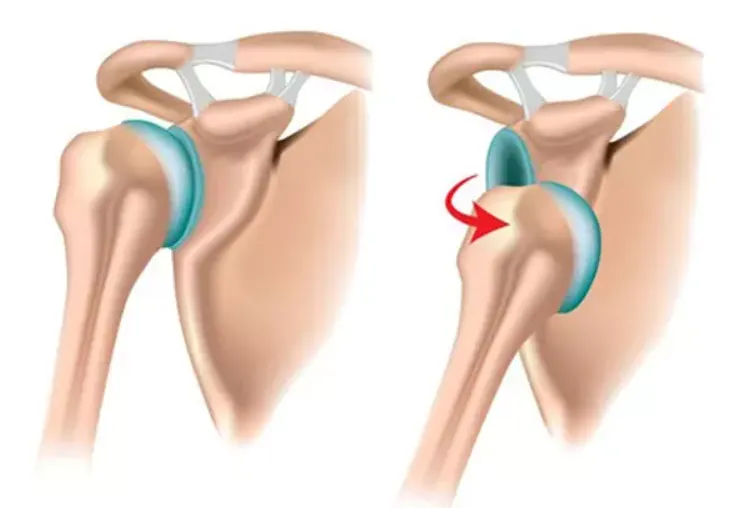
The shoulder joint is one of the most complex parts of your body. The rotator cuff is made up of four tendons and muscles attached to the shoulder blade that hold the shoulder in place and allow your arm to move in different directions.
When these tendons tear, even simple tasks become painful or impossible.
Many aren’t fully aware of just how much they depend on their shoulders until an injury limits what they can do.
Rotator cuff tears happen in several ways:
- Workplace accidents involving falls or sudden impacts
- Car crashes where the shoulder absorbs force
- Slip and fall incidents
- Repetitive overhead motions over time
- Heavy lifting with improper technique
The severity ranges from partial tears that might heal with therapy to complete ruptures requiring surgical intervention. Full-thickness tears often mean surgery is the only option to restore function and reduce pain.
What Rotator Cuff Injury Settlements Typically Look Like
Settlement ranges vary dramatically based on injury severity and required treatment. Insurance companies evaluate every detail of your case before making an offer.
Minor to Moderate Injuries: $30,000 to $75,000
These cases involve partial tears treated primarily with conservative methods that may resolve the issue within several months. These may be:
- Physical therapy
- Anti-inflammatory medications
- Rest may resolve the issue within several months.
People in this category usually return to work relatively quickly. They might have some lingering discomfort, but regain most shoulder function.
The settlement amount covers medical bills, a few months of lost wages, and some compensation for pain during recovery.
Injuries Requiring Arthroscopic Surgery: $75,000 to $150,000
Arthroscopic repair involves smaller incisions and specialized instruments. Recovery takes longer than conservative treatment, typically four to six months before returning to normal activities.
This average settlement for shoulder surgery accounts for:
- Surgical costs and hospital stays
- Extended physical therapy sessions
- Several months away from work
- Pain medication and medical equipment
- Reduced capacity to perform job duties during recovery
Workers in physical jobs face additional challenges. Construction workers, warehouse employees, and healthcare workers often cannot perform their regular duties until fully healed.
Severe Injuries and Complex Cases: $150,000 to $300,000+
Some cases need reverse shoulder replacement when standard repair isn’t possible. These procedures involve longer recovery periods and higher complication risks.
Settlements reach the higher end due to these factors:
- Injuries cause permanent limitations
- Some people never regain a full range of motion
- Others develop chronic pain that persists for years after surgery
The settlement value increases significantly when someone cannot return to their previous occupation. Lost earning capacity also gets factored into your settlement.
What Drives Your Settlement Amount Higher or Lower
Multiple factors determine where your case falls on the settlement spectrum. Insurance companies examine each element carefully before making an offer.
A. How Serious Is the Tear?
A partial tear differs substantially from a complete rupture. Partial tears might heal without surgery. Complete tears almost always require surgical intervention.
Open procedures generally involve:
- Longer hospital stays
- More extensive rehabilitation
- Higher infection risks
- Greater scarring
- Extended time before returning to work
The number of tendons involved matters, too. Additionally, massive rotator cuff tears involving three or four tendons typically require more extensive surgery and have longer recovery times.
B. Medical Costs
Surgery and recovery expenses form a major part of any injury settlement. The medical bills alone can reach $50,000 to $100,000 for complex cases.
Costs include:
- Initial emergency room visits
- Diagnostic imaging (MRIs, X-rays, CT scans)
- Surgeon fees and anesthesia
- Hospital stays
- Physical therapy sessions (often 2-3 times per week for months)
- Pain management treatments
- Medical equipment like slings and ice therapy machines
- Follow-up appointments and evaluations
Many rotator cuff repairs need revision surgery years later. Accounting for potential future procedures strengthens your injury claim.
C. Lost Income and Career Impact
Missing work hurts financially and emotionally. Most people undergoing shoulder surgery cannot work for at least several weeks. Physical jobs may require four to six months before someone can return to full duties.
Worse, some people face career-ending injuries. The settlement should reflect the difference between their former earning potential and what they can realistically make in a new field.
D. Pain, Limitations, and Quality of Life
Under Ohio Rev. Code § 2315.18, non-economic damages are:
- Capped at the greater of $250,000 or three times economic loss
- Subject to a $350,000 per-plaintiff or $500,000 per-occurrence limit
That is, unless the injury involves a permanent and substantial physical deformity, loss of limb, or similar condition, in which case there is no cap.
Consider how the injury changes everyday life:
- Inability to play sports or exercise
- Difficulty caring for children or grandchildren
- Trouble with household chores and yard work
- Sleep disruption from pain
- Dependence on others for basic tasks
- Depression and anxiety from limitations
The settlement should reflect this diminished quality of life.
E. Who Was at Fault?
Clear liability increases settlement potential substantially. When someone’s negligence directly caused your injury, proving fault is crucial for maximizing compensation.
Ohio’s Comparative Negligence Rule
The Ohio Revised Code states that if you share some blame for the accident, your settlement is reduced by your percentage of fault.
What this means:
- Being 20% at fault for an accident means receiving 80% of the total settlement value.
Factors that strengthen your position during settlement negotiations:
- Document safety violations
- Expert testimony
- Clear causation
Strong evidence proving the other party’s complete responsibility protects your full compensation.
Insurance Coverage Limits
Available insurance affects what you can recover. A defendant with minimal coverage cannot pay more than their policy limits, even if their damages exceed that amount.
Workers’ compensation insurance typically provides more comprehensive coverage for workplace injuries. But these claims have different rules and generally provide lower compensation than personal injury lawsuits.
Protecting Your Settlement Value
What you do after your injury directly impacts how much compensation you receive. Insurance companies look for reasons to reduce what they pay.
Things you should do without delay:
- Get medical attention immediately
- Follow every treatment recommendation
- Keep detailed records of everything
- Don’t rush to settle
- Consult with a personal injury attorney before accepting any offer
Important: The typical settlement for rotator cuff injury at work or from accidents increases substantially with proper legal guidance. Attorneys work on contingency, meaning no upfront costs and fees only come from your settlement.
When Your Case Might Go to Court
Most rotator cuff injury cases settle without trial. But some cases need litigation to achieve fair compensation.
Court becomes necessary when:
- Insurance companies refuse reasonable settlement offers
- Liability disputes exist
- The injury’s severity is contested
- Settlement offers fall far below the case value
- Policy limits cannot cover your damages
For Ohio, personal injury claims must be filed within two years of the injury date. This statute of limitations applies to most rotator cuff injury cases.
Most personal injury claims must be filed within two years from the date of injury, though medical malpractice or product liability claims may have different time limits.
Get Your Life Back By Taking the Next Step With Legal Support
Rotator cuff injuries requiring surgery represent serious harm with lasting consequences. Your settlement should cover all medical costs, compensate for lost income, and provide fair payment for pain and reduced quality of life.
Insurance companies rarely offer full value in initial negotiations. They count on people not understanding what their injury claim is truly worth.
Don’t leave money on the table by accepting the first offer. Reach out to experienced legal firms like The Jones Firm and learn how they can help with your rotator cuff injury claim.