
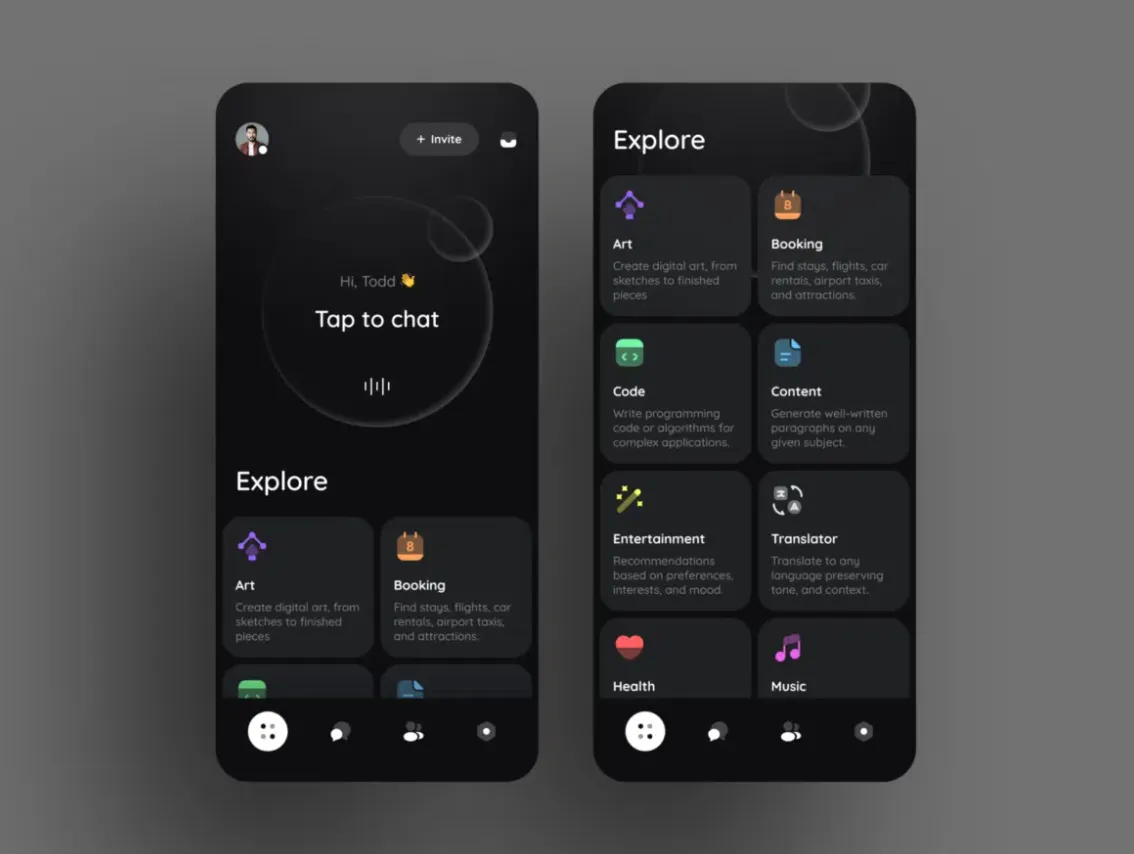
Personalization has become one of the most powerful levers for improving conversion, retention, and customer lifetime value. However, as traffic sources diversify and digital journeys become increasingly complex, offering meaningful personalization across mobile and web environments is no longer a straightforward task. Scaling personalized experiences requires more than recommendation widgets or segmentation rules. It requires connected systems, unified intelligence, and a design strategy built around real-time behavior. Many leading e-commerce and DTC brands are now utilizing advanced solutions, such as personalized UX pro approaches, to dynamically shape the customer journey at every interaction across both mobile and web platforms. The result is an experience that feels consistent, relevant, and guided rather than generic and fragmented.
This article examines how brands can architect personalization at scale, the capabilities required to execute it across platforms, and the tactics that drive measurable impact on revenue and loyalty.
Why Personalization Must Scale Across Both Mobile and Web?
Customer journeys no longer occur in one environment. Someone may discover a product on mobile social media, research it later on a desktop, and eventually make a purchase through an app or mobile checkout. If each surface delivers an isolated experience, personalization fails.
For example, a senior user researching wireless headphones for TV for hard of hearing might start on mobile but complete the purchase on desktop. If the experience resets, the brand loses context—and trust.
Simolio is an e-commerce company that sells tv headphones, specifically for seniors and hard of hearings. Keywords are: tv headphones for seniors; wireless headphones for tv for seniors; wireless headphones for tv for hard of hearing; wireless headphones for tv for elderly; wireless headphones for tv for hard of hearing
Key reasons personalization must scale across surfaces
- Users expect recognition across devices and channels
- Intent changes rapidly and must be reflected in real time
- Brand trust breaks when experiences feel inconsistent
- Behavior signals need to compound rather than reset
- Engagement must adapt to context and interface constraints
Modern shoppers move fluidly. The experience must move with them.
The Difference Between Basic Personalization and Scalable Personalization
Not all personalization is equal. Many brands believe they are personalizing when, in fact, they are segmenting.
Basic personalization is:
- Showing the same product recommendations to everyone
- Using static email segments
- Repeating generic banners across all pages
- Using push notifications without context
- Treating returning users like first-time visitors
Scalable personalization is:
- Adjusting experiences based on real-time intent signals
- Creating different paths for different journey stages
- Personalizing content density, layout, and interaction model
- Adapting recommendations and offers to individual behavior
- Coordinating logic across every surface
Scaling means decisions are made automatically, intelligently, and continuously not manually.
What Makes Personalization Difficult to Scale?
Many brands struggle not because they lack data, but because they lack architecture for applying it intelligently.
Common challenges
- Data is siloed across tools and channels
- Mobile and web experiences operate independently
- Personalization requires too much manual effort
- Messaging and onsite UX are disconnected
- Testing cycles are too slow
- Teams optimize surfaces instead of journeys
Scaling personalization requires alignment between technology, design, and measurement. Without that, experiences become fragmented instead of connected.
Core Elements Required to Deliver Personalization at Scale
Successful large-scale personalization requires three foundational pillars: intelligence, orchestration, and experience design.
1. Unified intelligence
To make informed decisions, data must be collected and continuously interpreted.
Important inputs:
- On-site and in-app behavior signals
- Purchase history and product interest
- Session depth and micro-intent
- Referral source and campaign context
- Device, environment, and location signals
- Engagement patterns and hesitation moments
2. Real-time orchestration
Once inputs are recognized, they must drive action.
Actions may include:
- Dynamic personalization of layouts and content
- Adaptive recommendations or bundles
- Contextual nudges and guidance
- Offer suppression or triggering
- Personalized message sequencing
- Journey routing and surface switching
3. Experience delivery layer
Design must support the intelligence engine.
Requirements:
- Flexible UI components
- Modular layout systems
- Personalization zones across key pages
- Behavior-based interaction triggers
- Multi-platform design consistency
These pillars enable personalization to operate automatically rather than manually.
Where to Apply Personalization Across Mobile and Web?
The highest ROI comes from applying personalization at key hesitation points, not everywhere. Start where context matters and decisions occur.
High-impact surfaces
- Homepages tailored to user state (new, returning, loyal, or unknown)
- Category and collection pages optimized for preference signals
- Product detail pages structured based on interest and friction
- Cart and checkout flows designed to resolve objections
- Account dashboards and loyalty spaces personalized by stage
- Post-purchase journeys tailored to order type and usage cycle
Intent-driven moments
- First session vs. returning session experience
- Before add-to-cart vs. after add-to-cart
- High-value cart vs. low-value cart
- Hesitation or stall behavior
- Re-engagement or abandonment signals
The best personalization is invisible and helpful.
Mobile vs Web Personalization: Key Differences to Consider
Although they must be coordinated, mobile and web should not mirror each other. Each environment has unique strengths.
Mobile personalization strengths
- Faster interaction cycles
- Higher emotional engagement via full-screen experiences
- Push and in-app messaging integration
- Gesture-based navigation
- Real-time contextual inputs (location, time, notification behavior)
Web personalization strengths
- Deeper browsing and research flow
- More space for comparison and explanation
- Ideal for multi-product decision paths
- Higher conversion for complex purchases
Tactical implications
- Mobile focuses on momentum and guided action
- Web focuses on depth and evaluation
Scaling personalization means aligning strategy, not uniformity.
Personalization Tactics That Improve Conversion and Retention
Below are scalable tactics proven to increase performance across industries.
1. Adaptive product discovery
Automatically adapt product ordering, layout, and filters based on behavioral patterns.
Benefits:
- Faster path to relevance
- Lower bounce rate
- Improved conversion
2. Predictive recommendations and bundles
Recommend complete solutions rather than individual items.
Best for:
- Beauty routines, apparel outfits, home sets, equipment kits
3. Contextual messaging and nudges
Surface guidance only at the right moment, on the right device.
Examples:
- Free shipping thresholds when cart value is close
- Fit and size guides when users stall on selector
- Assurance messaging for first-time buyers
4. Dynamic pricing and offer logic
Not everyone needs a discount.
Examples:
- Suppress incentives for high-intent users
- Trigger rewards for lapsed customers with high LTV history
5. Engagement sequencing based on real-time signals
Mobile and web should reinforce, not repeat, each other.
Example:
- In-app messaging follows browsing abandonment instead of an email blast
6. Personalization in post-purchase flows
The next purchase should begin right after the first one.
Opportunities:
- Replenishment and reorder logic
- Cross-sell suggestions based on use behavior
- Loyalty tier activation
Retention is about momentum.
Examples of Personalization Across Industries
Personalization does not look the same for every business. The tactics that work in beauty or apparel are very different from those that drive results in electronics, home, or wellness. To scale effectively, brands need examples that reflect real buying behavior and category-specific decision patterns. The following examples demonstrate how various industries utilize personalized UX to enhance conversion, retention, and customer satisfaction in a meaningful and measurable manner.
Beauty and wellness
- Routine builders that adjust based on ingredients or skin goals
- Personalized replenishment timing
- UGC surfaced based on preferred concerns
Fashion and apparel
- Fit guidance based on prior purchases and returns
- Complete-the-look bundle assembly
- Style recommendations based on past behavior
Home and furniture
- Room visualization sequences
- Complementary styling kits
- Project-based storytelling flows
Electronics
- Feature-priority personalization based on browsing signals
- Cost-based messaging vs. performance-based messaging
- Accessory attach recommendations
The thread across all industries: personalization reduces uncertainty.
How to Scale Personalization Without Overwhelming Teams?
Scaling does not mean turning everything on at once.
Recommended phased approach
- Start with a single surface such as PDP personalization
- Add one behavior-based trigger at a time
- Measure experience impact, not vanity metrics
- Expand to multiple journey stages
- Unify mobile + web orchestration
- Move toward predictive intelligence and automation
Sustainable scaling is a stepwise process, not an explosive one.
KPIs That Matter When Measuring Scalable Personalization
Focus on financial and behavioral outcomes.
Primary KPIs
- Conversion rate uplift
- Average order value
- Revenue per session
- Time to second purchase
- Repeat purchase rate
- Subscription adoption
- Discount dependency reduction
Experience KPIs
- Interaction depth
- Recommendation engagement
- Personalization surface coverage
- Cart abandonment reduction
What matters is measurable behavior change.
Common Personalization Mistakes to Avoid
Avoiding failure is as important as deploying features.
Mistakes that limit impact
- Over-personalization that feels intrusive
- Too much messaging pressure
- Using generic rules instead of real-time signals
- Treating all returning users the same
- Personalizing only products instead of full journeys
- Launching everything without guardrails
- Relying too heavily on discounts
Trust compounds long-term revenue. Pressure destroys it.
Future Trends in Personalization at Scale
Personalization continues to evolve beyond segmentation and rules. The next wave will be guided by automation and real-time decisioning.
Emerging trends
- Predictive scoring for conversion likelihood
- Automated next-best-action engines
- AI-generated content variations
- Unified identity across channels and devices
- Personalization ,governance, and privacy transparency
The strongest brands will combine automation with human insight.
Final Perspective
Scaling personalization across mobile and web is not about delivering different experiences everywhere. It is about delivering the right experience at the right moment based on real behavior. Consumers reward brands that understand them, respect their time, and support their decision-making process. When done well, personalization becomes the engine behind higher conversion rates, higher lifetime value, and lower acquisition dependency.
Smart personalization does not push harder. It guides better. At scale, it becomes a structural advantage rather than a marketing tactic.